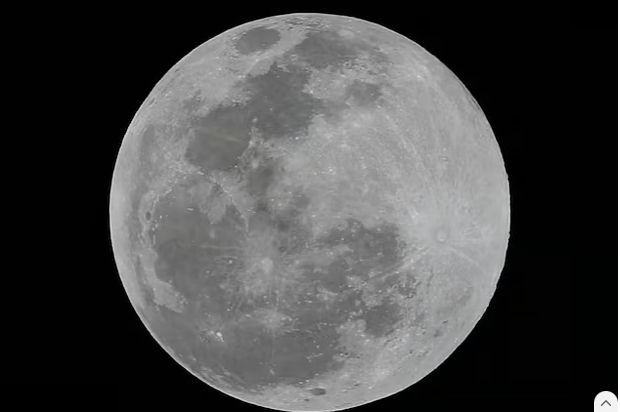
Cosmic Impact: A Meteor Racing Toward Earth

The sky is full of stars and light. Many rocks move in space too. Some are small. Some are very big. One big rock can be a incoming meteor racing toward Earth. When this happens, people feel fear and awe at the same time.A meteor racing toward Earth can look bright and hot. It moves fast through space. The sky may glow with a long fire tail. It can look like a star that fell from the sky.
What Is a Meteor?
A meteor is a space rock. It moves around the sun. Many rocks float in space. Some stay far away. Some move close to our planet.When a rock enters the sky of Earth, it burns. The air makes it hot. This bright light is what we call a meteor.Sometimes a in coming meteor racing toward Earth burns up in the sky. When that happens, it does not reach the ground.
Why Meteors Glow in the Sky
A meteor moves very fast. When it hits the air, heat forms. This heat makes the rock glow bright.You may see a long line of fire behind it. This line is the hot gas and dust. That is why a incoming meteor racing toward Earth looks like a ball of fire.Many people call this a “shooting star.” But it is not a star at all.

Can a Meteor Hit Earth?
Yes, a meteor can hit the ground. When a space rock lands on Earth, it is called a meteorite.Most rocks are small. They break into dust in the sky. So they do not harm the planet.But a very big meteor racing toward Earth can make a large hole. This hole is called a crater.Long ago, a huge rock hit Earth. It may have caused big changes on the planet.
How Scientists Watch Space Rocks
Today, science tools help us watch the sky. Big space cameras look for rocks in space. They track where the rocks move.This helps us know if a meteor racing toward Earth may come close. Most times, the rock passes far away.Space teams share this news with the world. This helps people stay calm and informed.
What Happens If a Meteor Comes Close?
If a meteor gets near Earth, experts study its path. They check speed and size. They also check where it may pass.Many times the rock flies by the planet. It does not touch the ground.Even when a meteor racing toward Earth looks scary, it often burns up in the sky.
Why Meteors Are Important for Science
Space rocks hold old secrets. They formed when the solar system was young. This was long before humans lived.By studying them, science teams learn how planets formed.A meteor racing toward Earth can bring tiny space dust. This dust helps scientists learn about space history.
Famous Meteor Events
Many meteors have passed near Earth in the past. Most were safe. Some made bright light shows in the sky.In some places, people heard loud booms. Windows shook for a moment.These events remind us that space is always active. Rocks move through the sky every day.Still, a dangerous meteor racing toward Earth is rare.
Can Humans Stop a Meteor?
Scientists are working on ideas to protect Earth. Some plans include space tools that push a rock away.If a in coming meteor racing toward Earth is found early, there may be time to move it.Space groups study these plans now. Their goal is to keep our planet safe.
The Beauty of the Night Sky
Not all meteors are scary. Many are small and beautiful. They make bright lines in the sky.People watch meteor showers every year. Families sit outside and look up at night.In these moments, a meteor racing toward Earth can feel magical instead of scary.The night sky reminds us how big space is. Our planet is just a small part of it.
Conclusion
A in coming meteor racing toward Earth may sound frightening. Yet most meteors burn up before they reach the ground. Scientists watch the sky every day. Their tools help track space rocks and keep people safe.Meteors also help us learn about the past of our solar system. They carry clues from deep space. When we see one in the night sky, we see a small part of the great space story.The universe is vast and full of motion. Meteors are one bright sign of that endless journey.